It’s a reasonable perspective if your business is selling compute. But notice what’s happening with that language: we’re no longer saying “Artificial Intelligence.” We’re just saying “Intelligence“ — full stop, as if the artificial kind were the only kind worth measuring. When a few powerful tech leaders define intelligence itself, everything that doesn’t run on a GPU gets deprioritized.
Van Jones pushed back on exactly this in his TED Talk, and the way he reframed it really stuck with me. He proposed we keep the initials “AI” but change what they stand for: Ancestral Intelligence, Ancient Intelligence — the wisdom carried in communities, traditions, and lived experience that no dataset can replicate. His point wasn’t anti-technology; it was that data needs wisdom, and wisdom lives in elders, communities, and people from all over the world — including remote, less-traveled areas — who have been solving human problems for millennia. Referencing the utopia that some experts claim AI will produce in our future, he made this point: “Abundance without participation feels like scarcity.” Compute can process information. But, it cannot inherit grief, ritual, or hard-won judgment passed down through generations.
Reducing intelligence to a log of compute is both dangerous and limiting, because some of the intelligence that has shaped my life was never captured in any dataset. My gut, or instinctual intelligence, told me to interview at Microsoft with no technical credentials and no tech experience — it said I had the skills and the mindset, and it was right. That same instinct kept me working daily with my autistic son after doctors said he’d never read, until within a year he was reading his favorite Dr. Seuss and Thomas the Train books. If I’d only trusted the data, I’d never have attempted either — and my life would have taken a very different, and likely less successful, path.
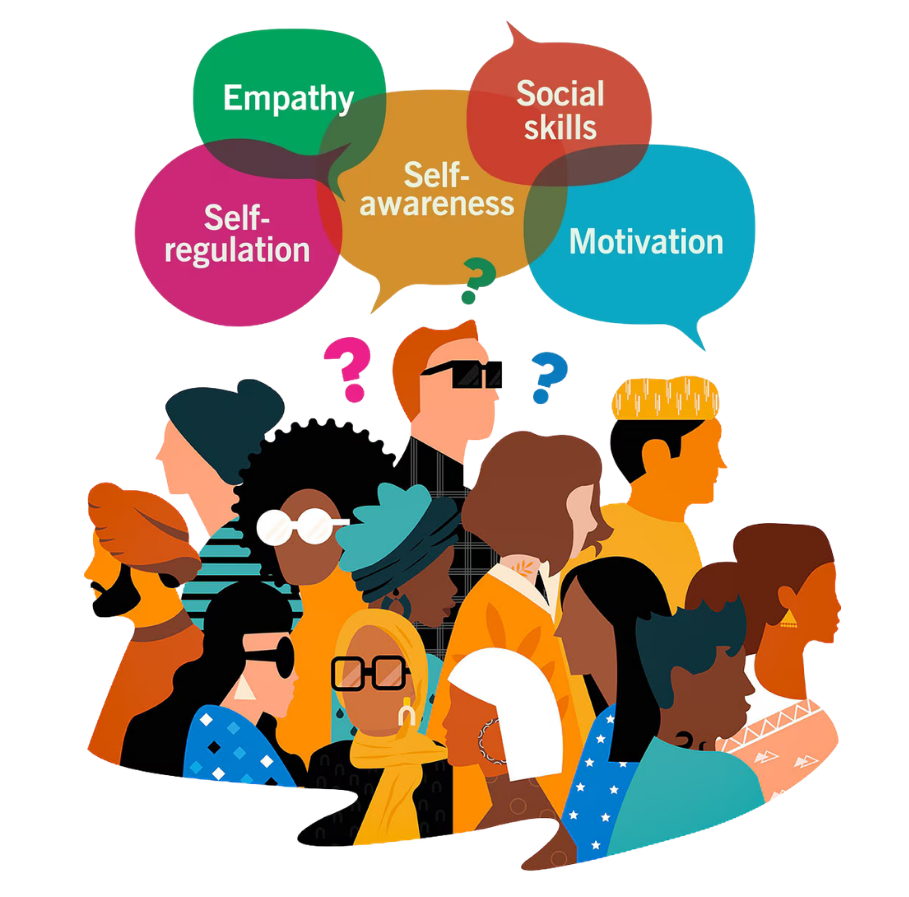
Intelligence has always been plural, and only some of its forms are computational. Emotional intelligence (EQ) is what lets us read a room, repair a relationship, or sit with someone in pain, giving them the kind of support they need in the way they need it. Cultural Intelligence (CQ) is what lets diverse people actually build something together instead of looking past each other or working against each other. Moral and ethical intelligence is what decides whether a capability should be used at all, a question no amount of compute can answer for us.
“Log of compute“ is not, and cannot be, the only definition of intelligence. We need these other forms of it to keep technology working for us instead of over us, and to keep our own agency intact. Real progress isn’t just “smart tools” that lead to material abundance; it’s a society that grows more capable, and more caring, as it grows more advanced.
COMPUTE CAN MAKE US POWERFUL. BUT ONLY THE FULL RANGE OF HUMAN INTELLIGENCE CAN MAKE US WISE.